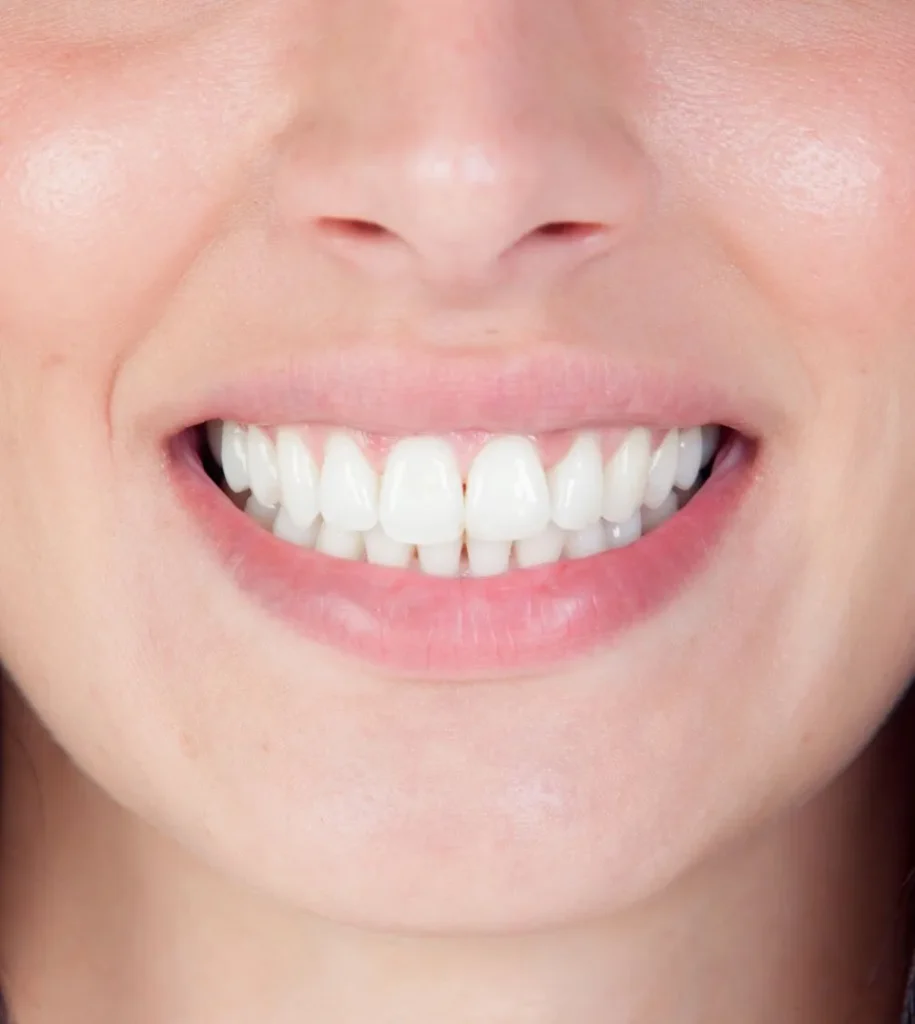
Dental bonding is a cosmetic treatment that uses a tooth-colored composite resin to repair and reshape damaged or discolored teeth. The resin is carefully applied, sculpted, and polished to match your surrounding teeth, creating a smooth, natural finish.
It is a minimally invasive treatment that does not require anesthesia in most cases, making it one of the most convenient ways to enhance your smile.
Are you one of this?
When Is Dental Bonding Recommended?
Dental bonding is ideal for fixing minor cosmetic concerns, including:
Chipped or cracked teeth
Gaps or spaces between teeth
Discolored or stained enamel
Uneven or worn edges
Slightly misshapen teeth
Bonding is often recommended for patients who want fast, affordable improvements without the need for veneers or crowns.
CONTACT US
Don’t let tooth pain take over your life.
Whether it’s a scheduled visit or a dental emergency, our Brampton root canal specialists are here to help you smile again — pain-free.
Address: 10 Beaumaris Dr unit 12, Brampton, ON L6T 0H1, Canada
We offer evening hours, Saturday appointments, and walk-in availability for urgent cases. If your tooth is causing pain, don’t wait for it to get worse — we’re here and ready to help.
Dental bonding is perfect for subtle yet noticeable enhancements that make your smile look healthier and more uniform.
Quick, same-day treatment with immediate results
Painless and non-invasive
Preserves most of your natural tooth structure
Custom-shaded resin for a natural, seamless appearance
Affordable alternative to veneers or crowns
Can last several years with proper care
How long does dental bonding last?
With proper care, dental bonding can last between 5 to 10 years. Avoid biting hard objects and maintain good oral hygiene to extend its lifespan.
Is dental bonding painful?
No. The procedure is typically painless and requires little to no anesthesia. Most patients find it very comfortable.
Can dental bonding fix gaps between teeth?
Yes. Dental bonding can close small gaps, reshape teeth, and create a more balanced, even smile.
Does bonding look natural?
Absolutely. The composite resin is custom-tinted to match your natural tooth color, creating a seamless, natural look.
Can bonded teeth be whitened?
No. The resin does not respond to whitening products, so it is best to whiten your teeth before bonding for a consistent color.
How do I care for my bonded teeth?
Brush and floss daily, limit staining foods like coffee or red wine, and schedule regular dental checkups to keep your bonded teeth looking their best.